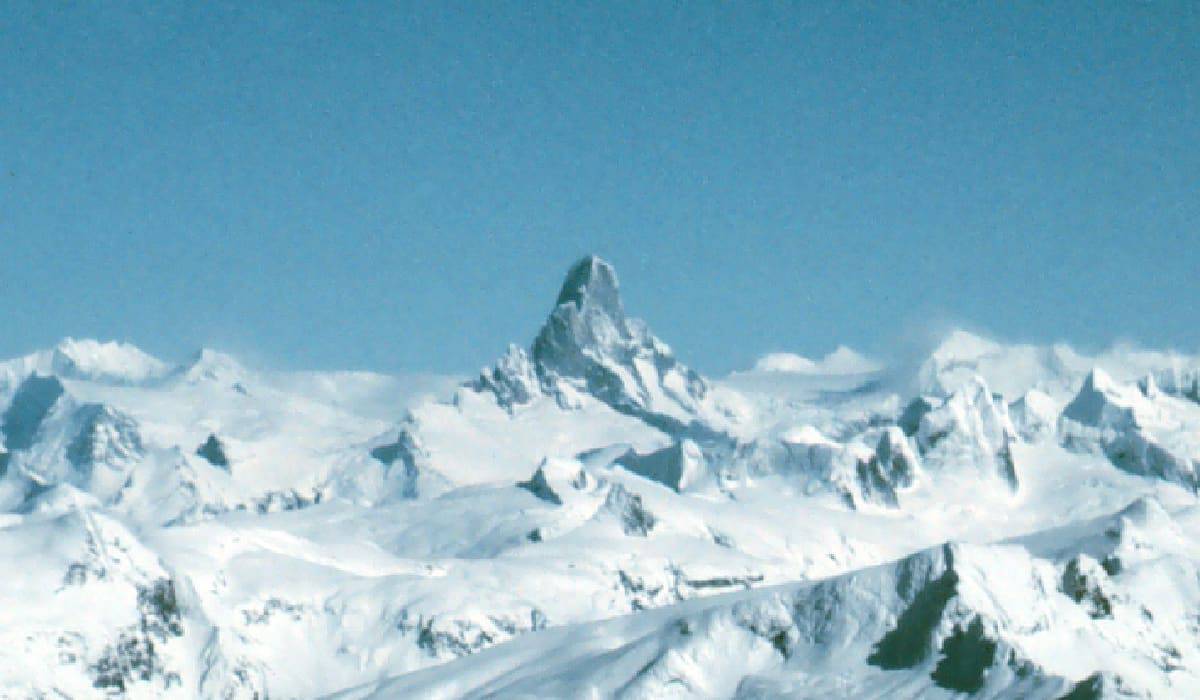
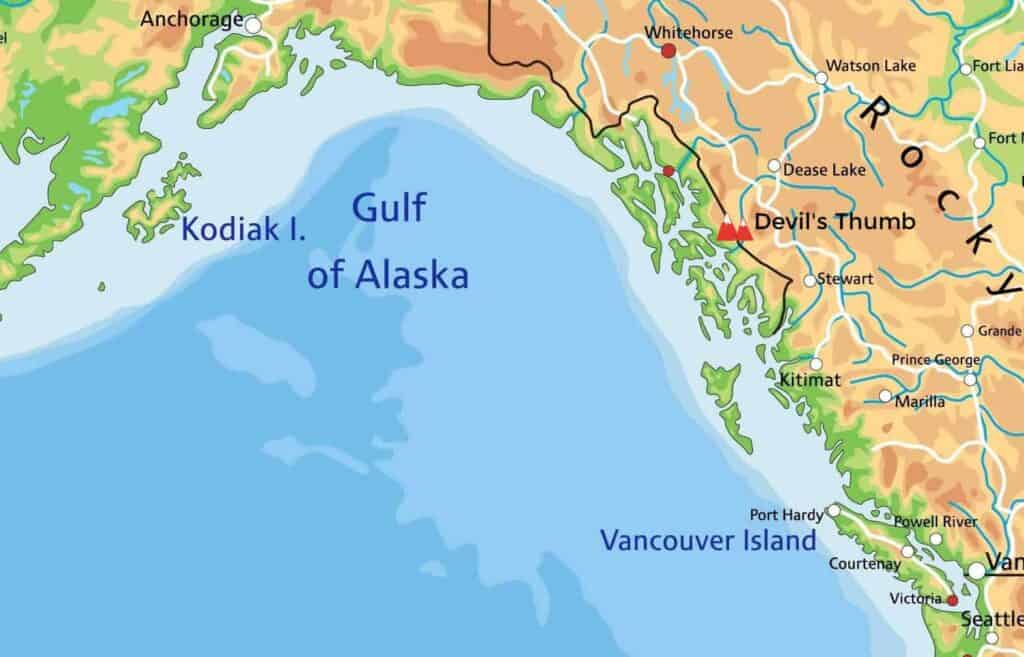
| Location | Southeast Alaska, United States |
| Coordinates | 56°52′21″N 134°07′25″W |
| Mountain Range | Stikine Icecap, Coast Mountains |
| Elevation | 2,767 meters (9,077 feet) |
| Prominence | 2,159 meters (7,083 feet) |
| First Ascent | August 25, 1946 by Fred Beckey, Clifford Schmidtke, and Bob Craig |
| Climbing Routes | North Face, East Ridge, West Ridge |
| Difficulty | Technical rock and ice climbing, routes rated up to 5.10 |
| Nearest Towns | Petersburg, Wrangell, Juneau |
| Access | Helicopter, boat, or a combination of both |
| Climbing Season | May to September, with June and July being the most popular |
| Weather | Unpredictable, can range from clear skies to severe storms |
| Required Permits | None, but climbers should follow Leave No Trace principles and regulations |
If you’ve spent much time gazing at the mountains near Petersburg or Ketchikan, you might’ve noticed a sharp, fang-like spire towering over the Coast Mountains. That’s Devil’s Thumb — or at least, it is on the rare days it’s not hidden by clouds.
Devil’s Thumb (known locally and among climbers as “The Thumb”) sits right on the Alaska–British Columbia border, and despite being one of the most iconic peaks in Southeast Alaska, it’s not exactly easy to reach, much less climb. Most people will never get close to it, and that’s part of the appeal — there’s a certain mystery to it, like it’s part of some forgotten legend.

What Makes Devil’s Thumb So Unique?
At 9,077 feet (2,767 meters), Devil’s Thumb isn’t the tallest mountain in the region, but its prominence — and the sheer drama of its appearance — make it unforgettable. It rockets nearly 6,700 feet straight up from the Stikine Icecap, forming an almost impossibly steep granite wall. On a clear day, it looks like something ripped from the pages of a fantasy novel.
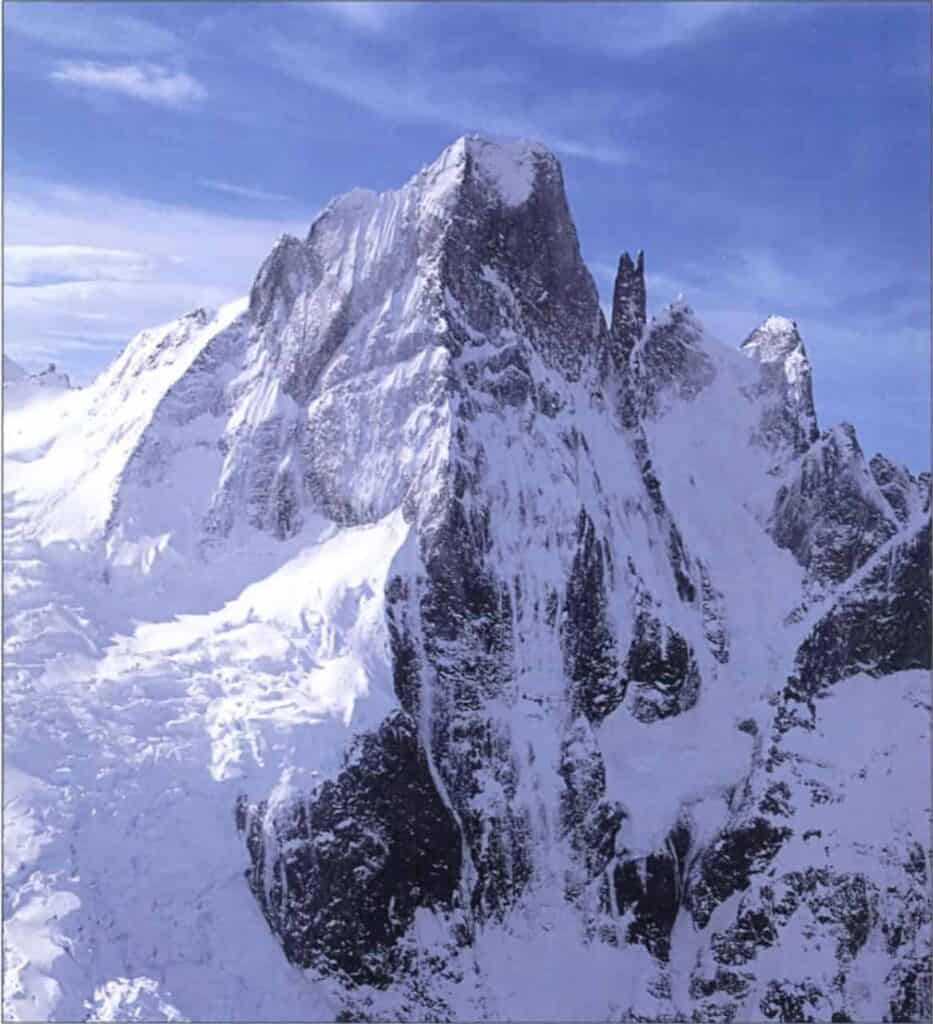
The Thumb’s west face is especially famous (or infamous). It’s a nearly vertical 6,700-foot wall of rock and ice — one of the biggest vertical reliefs in all of North America. This has made it legendary among climbers, but that fame comes with a dark edge…
A Grim Reputation in the Climbing World
Climbers have been drawn to Devil’s Thumb for decades, but the mountain is as dangerous as it is beautiful. Bad weather, avalanches, and technical difficulty have claimed several lives — most notably that of Jon Krakauer’s friend Chris McCandless’s half-brother, who perished attempting the climb (a fact Krakauer reflects on in Into the Wild).
Krakauer himself made a solo attempt up the Thumb in 1977, which he wrote about in Eiger Dreams. His account captures the isolation and psychological toll of even trying to summit it. In short, this isn’t a mountain for casual climbers. It’s remote, it’s serious, and it has a body count.
Can You See Devil’s Thumb Without Climbing It?
Absolutely — if the weather cooperates. The best way for most people to catch a glimpse of Devil’s Thumb is by air, especially on a flightseeing tour out of Petersburg or Wrangell. These small-plane flights often cruise near the Stikine Icecap and give you a chance to see the Thumb (and other wild peaks) without weeks of bushwhacking.
From the ground, it’s trickier. There’s no road access, and even the trails in the area don’t get you very close. The peak can sometimes be seen from parts of the Stikine River, especially on clear days near Telegraph Creek or from certain bends upriver. But those views are distant, and again, the clouds often spoil the show.
Devil’s Thumb in Tlingit Lore
Before European climbers ever set eyes on the mountain, the Tlingit people had their own relationship with it. According to oral tradition, the peak was seen as a powerful spiritual presence — sometimes associated with a being who guarded the land and challenged those who entered it.
The name “Devil’s Thumb” likely came from early European explorers or gold rush-era prospectors who saw its ominous shape and imagined it belonged to something infernal. But the mountain’s original name and role in Native culture go much deeper than that.
Final Thoughts
You don’t have to be a climber to appreciate Devil’s Thumb. For me, the first time I saw it — really saw it — was from a floatplane heading over the icefields. It broke through a pocket of clouds and just hung there in the sky, impossibly jagged, like it wasn’t quite real. I remember thinking: “That might be the most beautiful — and terrifying — thing I’ve ever seen.”
And then it was gone again, swallowed back into the weather.
That’s the magic of Southeast Alaska. Nothing is guaranteed, but every now and then, it lets you see something unforgettable.
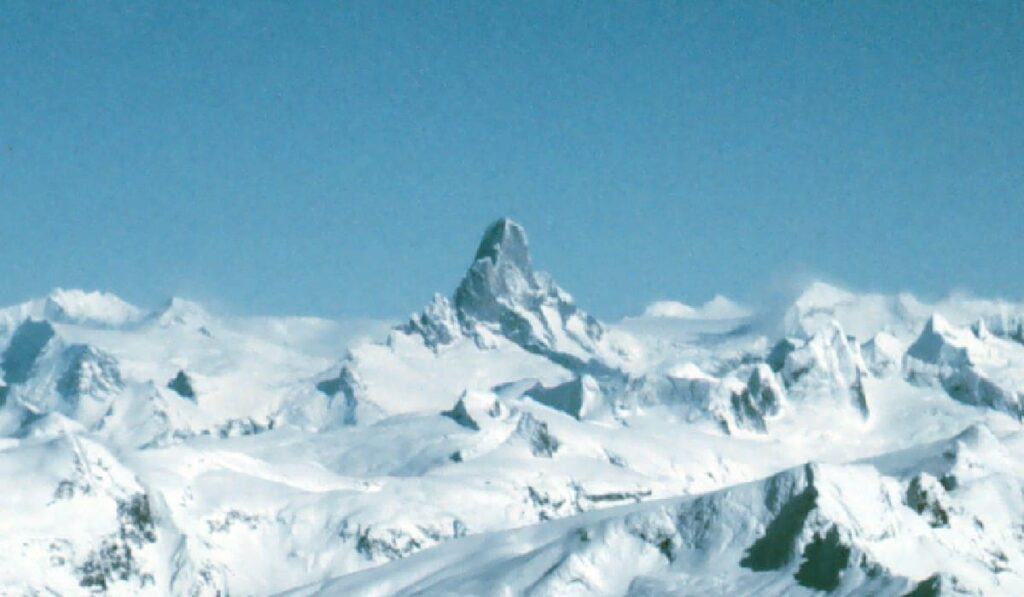
Devils Thumb, Alaska – Exploring The Unclimbable Mountain
What To Do In Ketchikan In One Day (Perfect 2025 Itinerary)
Is There Still Free Land In Alaska? (Homesteading In 2025)

13 Edible Mushrooms In Alaska (With Foraging Pictures)
The 10 Best Things To Do In Yakutat, Alaska